seismic braces, also known as seismic bracing systems, are essential components in buildings and structures that help protect them from damage during earthquake events. These braces are designed to provide stability and support to the structure, ensuring that it remains standing even in the face of powerful seismic forces. In this article, we will explore the importance of seismic braces, how they work, and why they are crucial for earthquake-prone regions.
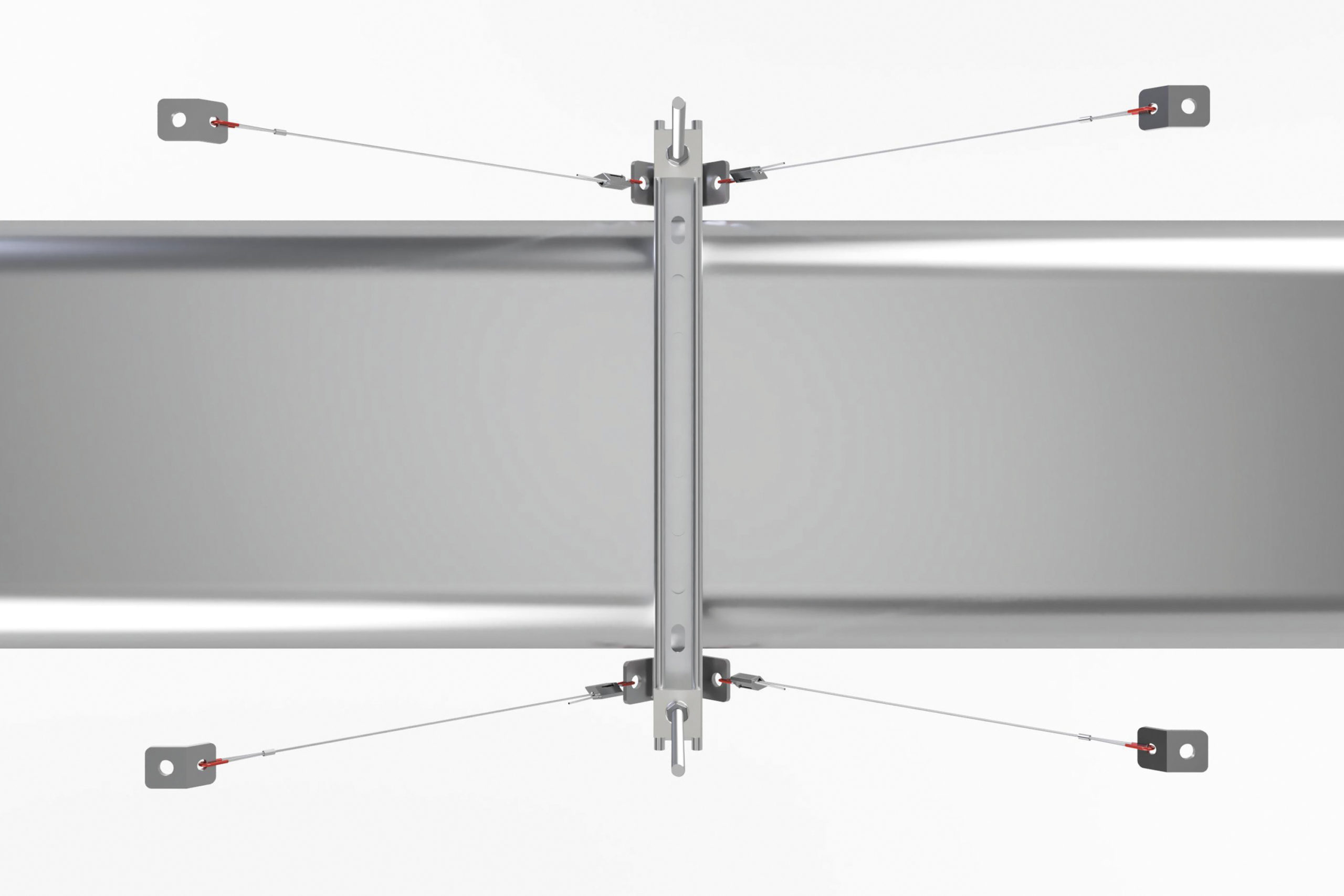
seismic braces are typically made of steel or other strong materials that can withstand the forces exerted by an earthquake. They are installed throughout a building or structure, connecting various components and providing additional reinforcement to key areas that are vulnerable to damage. These braces work by dissipating the energy from seismic waves, redirecting it away from the structure and into the ground.
One of the main functions of seismic braces is to prevent structural collapse during an earthquake. When an earthquake occurs, the ground shakes violently, causing the building to sway and bend. Without proper support, the structure could collapse under the force of the seismic waves. seismic braces help distribute the force evenly throughout the structure, reducing the risk of collapse and minimizing damage.
In addition to preventing collapse, seismic braces also help protect the contents of a building. During an earthquake, items inside the building can shift and fall, leading to damage and potential injuries. By providing additional support to the structure, seismic braces help keep everything in place, reducing the risk of damage to property and ensuring the safety of occupants.
Seismic braces are particularly important in earthquake-prone regions, where the risk of seismic activity is high. These braces are designed to meet specific building codes and standards set by local authorities to ensure that structures are able to withstand the forces of an earthquake. In some cases, seismic braces are required by law for buildings in areas prone to earthquakes to ensure the safety of occupants and prevent widespread damage.
The installation of seismic braces is a complex process that requires careful planning and engineering expertise. A team of structural engineers and contractors work together to design and install the braces, taking into account the specific needs of the building and the local seismic conditions. Each brace is strategically placed to provide the maximum amount of support and protection, ensuring that the structure remains stable during an earthquake.
There are different types of seismic braces available, each designed for specific applications and structural requirements. Some common types of seismic braces include diagonal braces, eccentric bracing systems, and buckling-restrained braces. These braces come in various shapes and sizes, allowing them to be customized to fit the unique needs of different buildings and structures.
In addition to seismic braces, other seismic retrofitting techniques can also be used to enhance the structural integrity of a building. These techniques include adding base isolators, strengthening weak points in the structure, and reinforcing walls and foundations. By combining these techniques with seismic braces, buildings can be better prepared to withstand the forces of an earthquake and minimize damage.
Overall, seismic braces play a crucial role in protecting buildings and structures from the devastating effects of earthquakes. By providing additional support and stability, these braces help prevent collapse, protect property, and ensure the safety of occupants. In earthquake-prone regions, the installation of seismic braces is essential for reducing the risk of damage and ensuring that buildings can withstand even the most powerful seismic events.